Passed 10+2 examination with 50% aggregate marks.
OR
AICTE approved three-year full-time diploma after Class-X offered by the Board of Technical Education of any State in India or UTs or from UGC recognised universities or equivalent. Obtained at least 50% aggregate marks in the diploma examination.
Merit-based Counselling /Direct Admission.
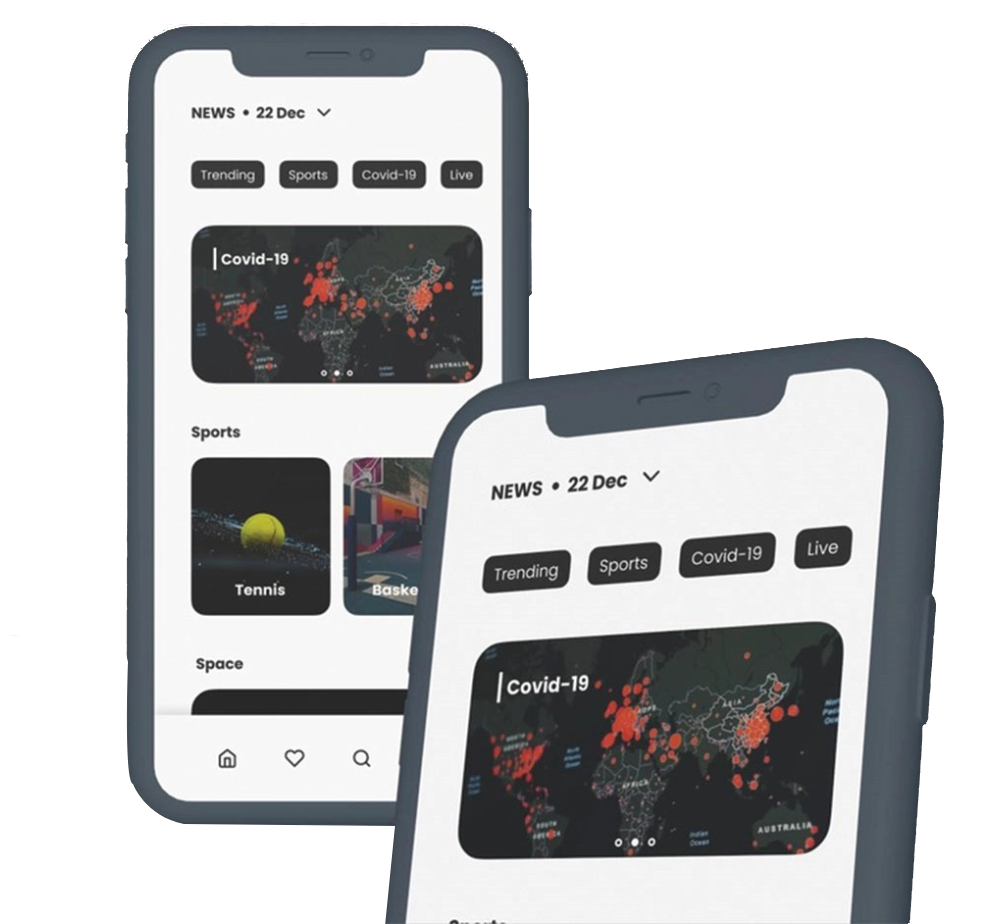
The B.Sc. in Digital Game Design programme combines creative thinking with hands-on technical training through a studio-based, project-driven learning approach that reflects real industry workflows. Recognised among the best game designing colleges in India, DIT University equips students with the skills needed to create engaging, interactive, and immersive gaming experiences.
From the early stages of the programme, students gain practical exposure to industry-standard game engines, design software, and collaborative development practices. They participate in game jams, work on multidisciplinary projects, and build a professional portfolio across 2D, 3D, and immersive platforms. The curriculum also introduces learners to game design principles while strengthening their understanding of user-centred design, rapid prototyping, and interactive storytelling.
The programme remains aligned with the evolving gaming industry by integrating emerging technologies such as AR, VR, artificial intelligence in games, and real-time interactive media. Alongside technical expertise, students are encouraged to explore indie game development, entrepreneurship, and collaborative problem-solving.
For students looking for the best game designing colleges in India, the programme offers a balanced combination of creativity, technology, and practical learning, preparing graduates for careers across game development studios, interactive media companies, simulation technologies, and digital entertainment.
1st Year (2026-27)
| Particulars | Tuition Fees | Academic Services Fee | Total Fee | |
|---|---|---|---|---|
|
All India Category |
1st Installment |
40,000 |
28,000 |
68,000 |
|
2nd Installment |
40,000 |
28,000 |
68,000 |
|
|
Uttarakhand/Himalyan State Quota (After 25% Scholarship on Tuition Fee) |
1st Installment |
30,000 |
28,000 |
58,000 |
|
2nd Installment |
30,000 |
28,000 |
58,000 |
For detailed Program Fee Structure, Know More

Students personalise their learning through interdisciplinary electives that combine creativity, technology, and innovation to match the evolving needs of the gaming industry.
Gain practical experience through collaborations with design studios, live industry projects, mentorship programmes, and exposure to professional development workflows.
Learn from experts associated with organisations such as the World Design Organization (WDO), gaining valuable international perspectives on design and digital innovation.
The curriculum incorporates contemporary game development courses covering AR, VR, XR, artificial intelligence in games, procedural content generation, metaverse technologies, game analytics, cloud and cross-platform gaming, serious games, gamification, haptics, immersive interaction, real-time 3D production, indie game development, entrepreneurship, and ethical game design.
Dedicated modules encourage students to transform creative ideas into commercially viable products while developing entrepreneurial and innovation skills.
Students have access to modern prototyping labs, digital design infrastructure, and collaborative learning spaces that support experimentation, development, and testing.
Recognised among the best game designing colleges in India, the programme prepares students to build professional portfolios through studio projects, collaborative assignments, and practical industry engagement.
To equip students with strong foundational knowledge of game design principles, mechanics, storytelling, visual communication, and interactive systems required to design engaging digital games.
To develop students’ ability to combine creativity with technical skills using industry-standard tools, game engines, and production workflows for building digital game experiences.
To train students in systems thinking, player psychology, usability, and playtesting methods so they can design balanced, meaningful, and player-centred gameplay experiences.
To prepare students to work effectively in multidisciplinary teams by following professional pipelines involving design, programming, art, sound, and documentation in a studio-based environment.
To encourage experimentation and innovation by integrating emerging technologies such as AR/VR, artificial intelligence in games, real-time 3D technologies, and interactive media into game development practices.
To prepare graduates for careers in the game industry or independent development by enabling them to build professional portfolios, understand publishing workflows, and develop entrepreneurial capabilities.
Apply principles of game design and interactive systems in the development of digital games.
Develop 2D and 3D game assets, environments, and visual elements for interactive media.
Implement gameplay mechanics and interactive features using modern game engines and development tools.
Analyze and optimize game performance, usability, and player experience.
Conduct player research, usability testing, and gameplay evaluation to refine game design.
Work effectively in multidisciplinary teams within structured game production pipelines.
Communicate design ideas and development processes through professional documentation and presentations.
Create publishable and industry-ready digital games and interactive experiences.
Demonstrate professional ethics, responsibility, and entrepreneurial awareness within the game industry.
Game design is an iterative process that starts off by first ideating what kinds of game mechanics will be used. Game mechanics refer to the rules of the game, i.e., what can and cannot be done inside the game. On the basis of the game mechanics chosen, one chooses the story, art style and type of sounds.
Getting a Bachelor's or Master's Degree is a good way to get into the ever rising game industry in India. But either way the most important thing is have a solid portfolio which shows quality game. If you have released game your demand increases a lot.
Entry level game designers earn from a range of 20k-70k per month. After that sky is the limit. Mid level designers earn 90k-150k per month and senior designers earn ever more. The best part is making a successful game yourself is a best way to earn a lot of money. A good indie game can earn around 10-40 crores INR if successful.
Game UI design is related very closely to game art than design. Usually the game designer or UX designer will decide the overall vision for the game UX feel and then the UI artist will make assets accordingly. Having a graphic design degree or a UI/UX degree works if portfolio has good game UI focused work.

Associate Professor

Assistant Professor

Assistant Professor
Assistant Professor (ImaginXP)

Assistant Professor (ImaginXP)

Visiting Faculty
Visiting Faculty

Assistant Professor
Assistant Professor

Assistant Professor

Assistant Professor
Assistant Professor

Assistant Professor

Assistant Professor

Assistant Professor (ImaginXP)

Assistant Professor

Assistant Professor

Assistant Professor

Assistant Professor

Assistant Professor

Assistant Professor

Assistant Professor

Assistant Professor

Assistant Professor

Assistant Professor