Passed 10+2 examination with 50% aggregate marks.
OR
AICTE approved three year full time diploma after Class-X offered by Board of Technical Education of any State in India or UTs or from UGC recognized universities or equivalent Obtained at least 50% aggregate marks in the diploma examination.
Merit based Couseling /Direct Admission.
Crafting intuitive experiences that connect people and technology, making every interaction seamless and impactful.
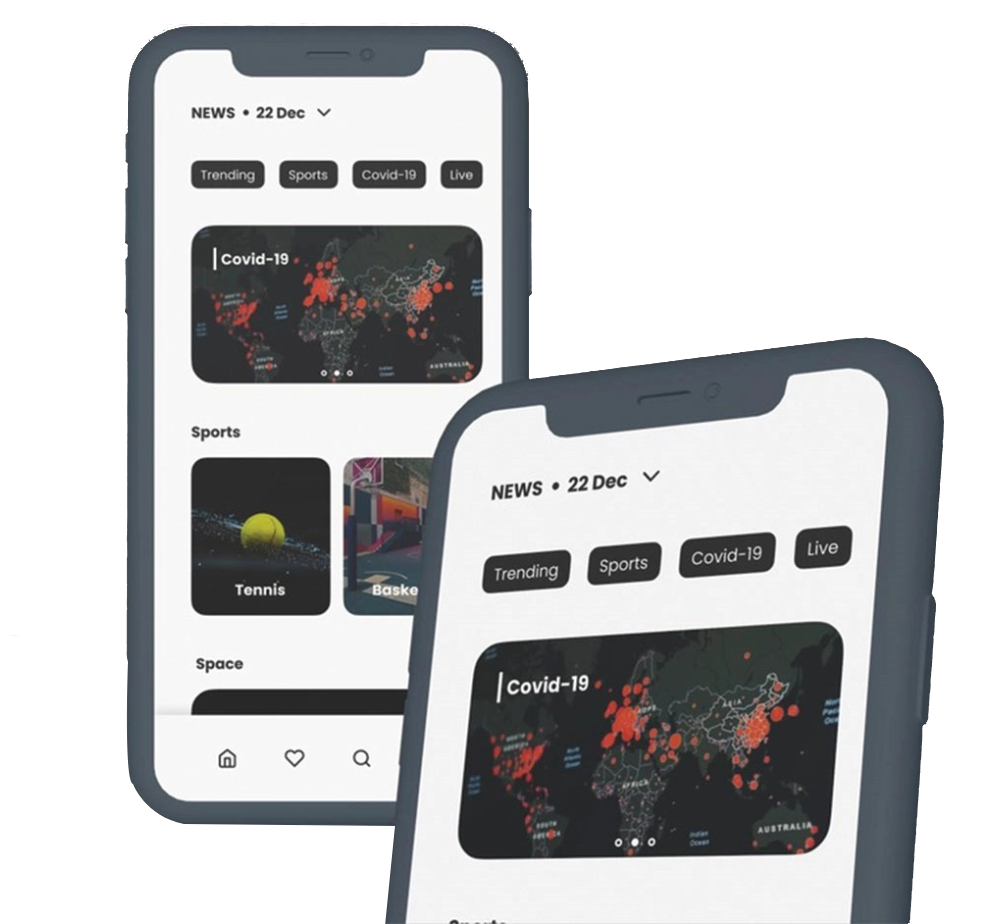
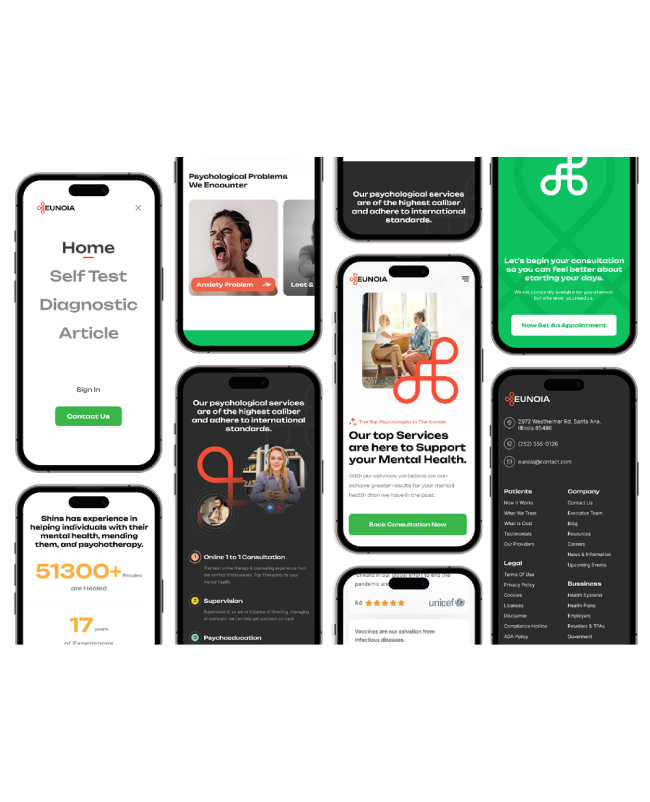
The UX design course at School of Design, DIT University follows a human-centred approach to creating meaningful digital experiences that are intuitive, accessible, and user-focused. The curriculum equips students with the creative and technical skills needed to design websites, mobile and desktop applications, vehicle interfaces, educational platforms, and a wide range of interactive digital products.
Throughout the UX design course, students learn to understand user behaviour, identify real-world challenges, and design solutions that are easy to use, engaging, and purposeful. The programme places equal emphasis on usability, empathy, research, and design thinking, helping learners create experiences that meet both user expectations and business objectives.
Studio-based projects, industry collaborations, and practical learning encourage students to apply design principles in real-world scenarios. Along the way, they develop a strong foundation in UX designing, enabling them to craft digital experiences that are both functional and impactful across diverse industries.
Graduates are well prepared for careers in user experience, interaction design, research, and digital product development. For students exploring the best colleges for UX design in India, DIT offers an interdisciplinary learning environment that combines creativity, technology, and industry exposure.
1st Year (2026-27)
| Particulars | Tuition Fees | Academic Services Fee | Total Fee | |
|---|---|---|---|---|
|
All India Category |
1st Installment |
44,050 |
73,500 |
1,17,550 |
|
2nd Installment |
44,050 |
73,500 |
1,17,550 |
|
|
Uttarakhand/Himalyan State Quota (After 25% Scholarship on Tuition Fee) |
1st Installment |
33,038 |
73,500 |
1,06,538 |
|
2nd Installment |
33,038 |
73,500 |
1,06,538 |
For detailed Program Fee Structure, Know More

Industry-Relevant Curriculum:
The UX design course is designed to address the growing demand for skilled UX professionals across technology, digital products, and emerging industries, opening pathways to rewarding career opportunities.
Comprehensive Understanding of User Experience:
Students develop a deep understanding of how users interact with websites, mobile applications, digital platforms, and services while exploring the complete user journey from research to design execution.
Collaborative Studio Environment:
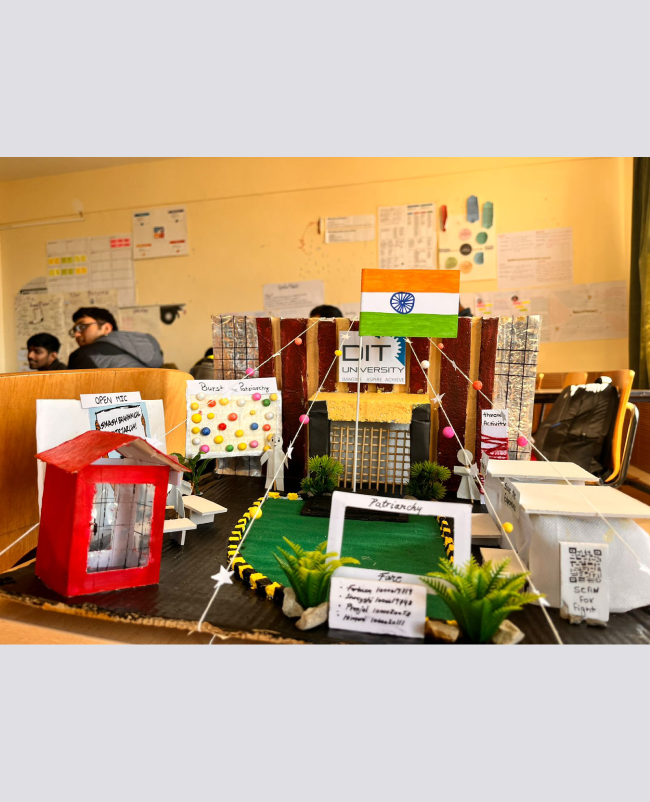
Learning takes place in an integrated, multidisciplinary studio where students and faculty work together on practical design challenges and collaborative projects.
Industry Collaboration:
Offered in collaboration with ImagineXP, the programme prepares students for roles such as Design Researcher, Information Architect, Interaction Designer, Visual Designer, Front-end Developer, Usability Tester, and Web Developer.
Human-Centred Design Approach:
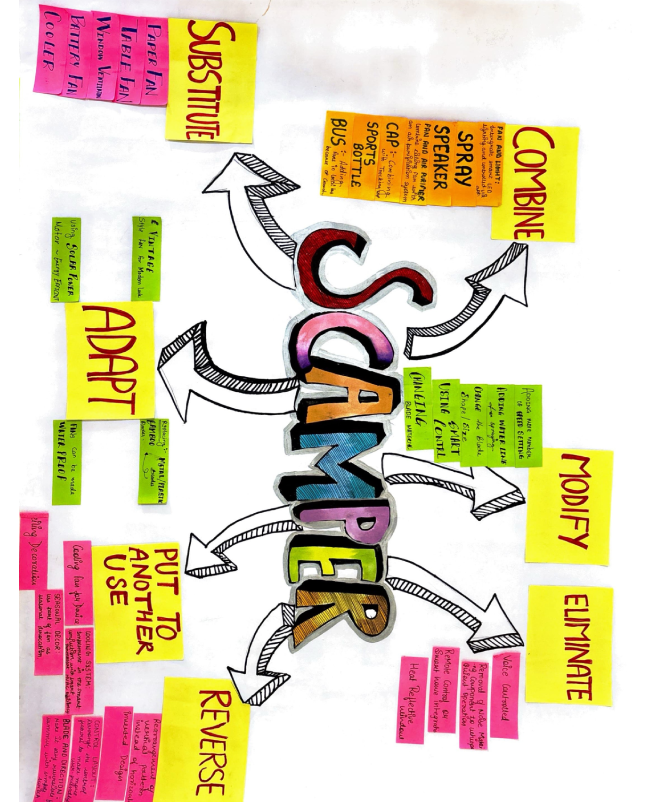
Students learn research methods, design thinking frameworks, and user research techniques that help them understand user needs and solve complex design problems effectively.
Behavioural and Cognitive Learning:
The curriculum introduces cognitive psychology, user behaviour, empathy mapping, and data analytics, enabling students to translate insights into meaningful design solutions.
Contemporary Design Skills:
As part of the UI and UX design course, students gain practical exposure to UI design principles, user research, AR and VR technologies, website and app design, and interactive product development.
Career-Focused Learning:
Practical fieldwork, live industry projects, and shadow learning help students build professional portfolios and develop the confidence to work on real-world design challenges.
Experienced Faculty:
Students learn from a team of national and international faculty members who bring academic expertise as well as industry experience to the classroom.
Professional Skill Development:
Along with technical knowledge, the UX design course strengthens critical thinking, communication, collaboration, leadership, and problem-solving skills that are valued across the design industry.
Graduates will be able to apply the knowledge in the field of user experience design to pursue higher studies and career in UX design.
Graduates will become socially responsible and environmentally conscious designers.
Graduates will develop the leadership capabilities and will be able to contribute in multidisciplinary teams.
Graduates will be able to develop the professional attitude with ethical responsibility and effective communicating skills.
Graduates will be able to orient towards research and innovative practices for real world problem solving.
Knowledge: Apply the knowledge of basic mathematics, science, art and experience design fundamentals to the solution of design-related problems.
Problem Analysis: Identify, formulate, review research literature, and analyse complex design problems reaching substantiated conclusions using principles of design, natural sciences, and user experience.
Design/Development of Solutions: Develop solutions for design problems and design product components or processes that meet the specified needs with appropriate consideration for public health and safety, and cultural, societal, and environmental considerations.
Conduct Investigations of Complex Problems: Use research-based knowledge and user research methods including case studies, analysis and interpretation of data, and synthesis of information to provide valid conclusions.
Modern Tool Usage: Create, select, and apply appropriate techniques, resources, and modern IT tools including information modelling with an understanding of their limitations.
Designer & Society: Apply reasoning informed by contextual knowledge to assess societal, health, safety, legal, and cultural issues and the consequent responsibilities relevant to the design profession.
Environment and Sustainability: Understand the impact of professional design solutions in societal and environmental contexts, and demonstrate knowledge of, and the need for, sustainable development.
Individual & Team Work: Function effectively as an individual, and as a member or leader in diverse teams and multidisciplinary settings.
Communication: Communicate effectively on complex professional activities with the design fraternity and society at large, including comprehending and writing effective reports and design documentation, making effective presentations, and giving and receiving clear instructions.
Management: Demonstrate knowledge and understanding of management processes for defining the design language and strategy for the organization.

Associate Professor

Assistant Professor

Assistant Professor

Assistant Professor (ImaginXP)

Assistant Professor (ImaginXP)

Visiting Faculty

Visiting Faculty

Assistant Professor

Assistant Professor

Assistant Professor

Assistant Professor

Assistant Professor

Assistant Professor

Assistant Professor

Assistant Professor (ImaginXP)

Assistant Professor

Assistant Professor

Assistant Professor

Assistant Professor

Assistant Professor

Assistant Professor

Assistant Professor

Assistant Professor

Assistant Professor

Assistant Professor
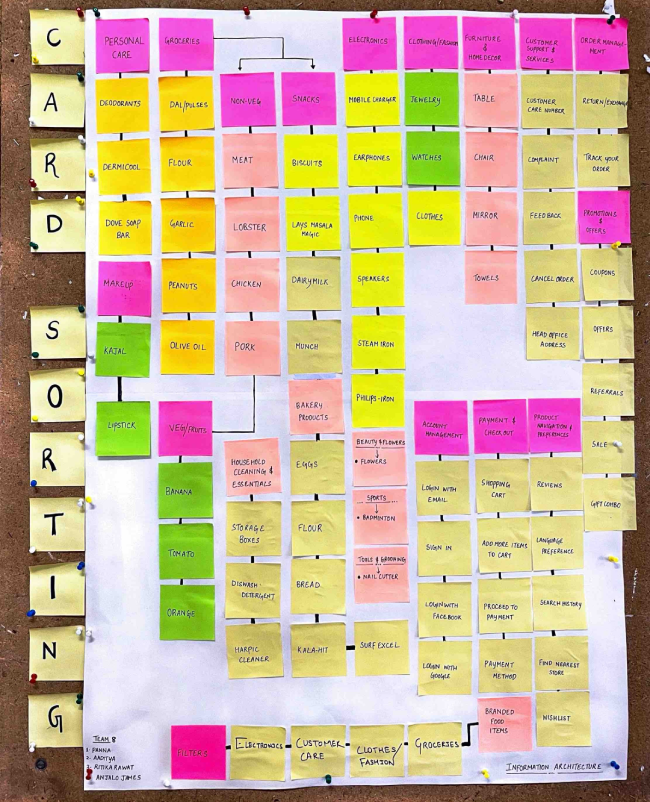
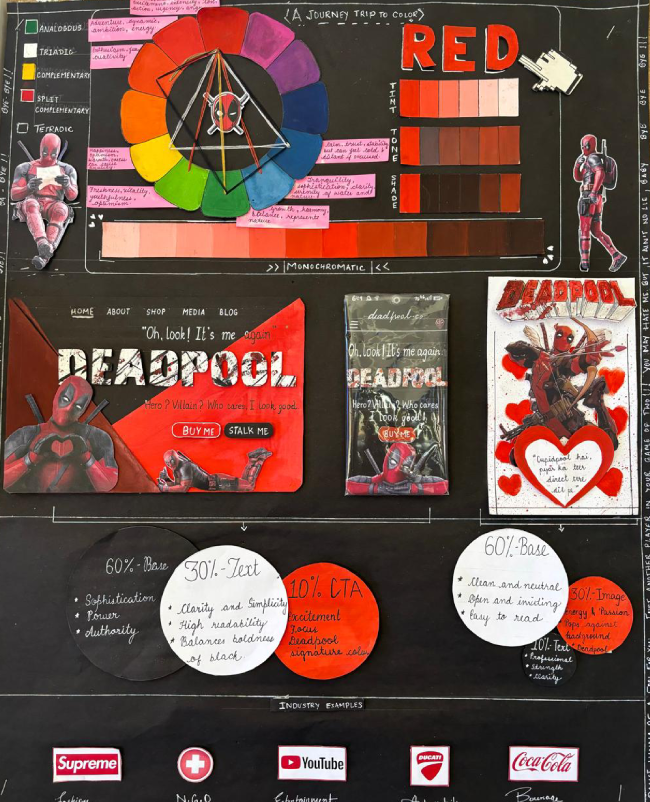

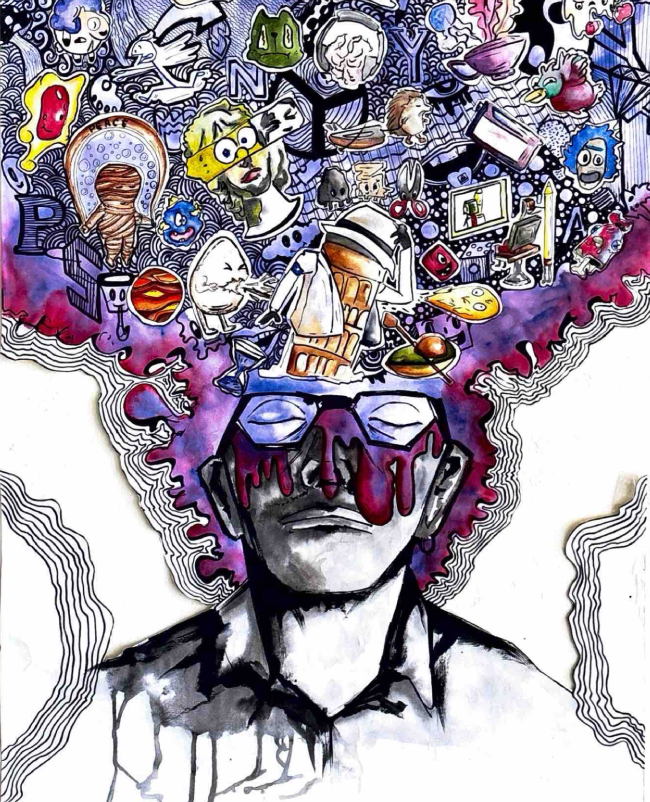
To become a UX designer in India after 12th, students can pursue B.Des/B.Sc in UX Design, while graduates from any stream can opt for M.Des in UX. DIT University offers undergraduate and postgraduate UX design programs with practical and industry-oriented training. Students should learn user research, wireframing, prototyping, and design thinking while building a strong portfolio.
In India, freshers in UX design typically earn around ₹4.5- 6.5 LPA. With experience, strong portfolios, and advanced skills, salaries can increase to ₹10–20 LPA or even higher, depending on the company, role, and location.
A UI/UX Design course focuses on designing user-friendly and visually appealing digital and physical products through creativity, AI-assisted tools, and problem-solving. UX improves usability and overall user experience, while UI focuses on the visual and interactive design of websites, apps, software, and smart products. It is offered as a 4-year B.Des program after 12th or a 2-year M.Des program for graduates.
"In India, UI/UX Design courses are offered as 4-year B.Des programs after 12th and 2-year M.Des programs for graduates by many design institutes & universities. These courses focus on design thinking, AI-assisted design, user experience strategy, interactive interfaces, digital and physical product design, usability testing, immersive technologies, and problem-solving for modern user-centered products and services. DIT University offers undergraduate and postgraduate programs in UI/UX Design with practical, industry-oriented, and hands-on learning."