Passed 10+2 examination with 50% aggregate marks.
OR
AICTE approved three-year full-time diploma after Class-X offered by Board of Technical Education of any State in India or UTs or from UGC recognized universities or equivalent Obtained at least 50% aggregate marks in the diploma examination.
Merit based counseling on XII Std marks.
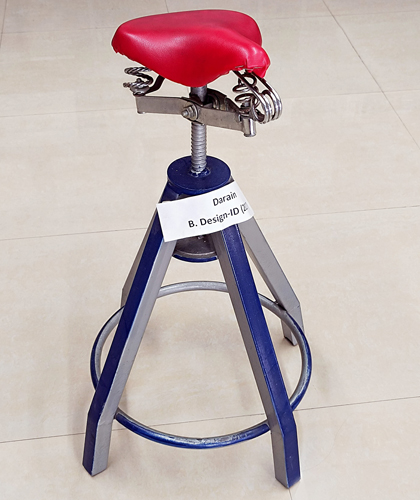
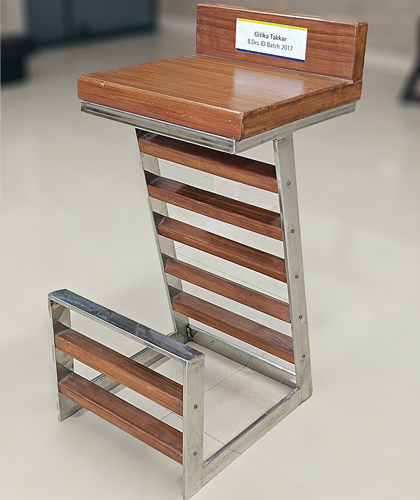
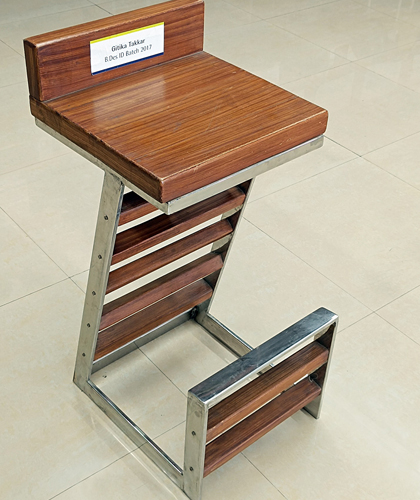
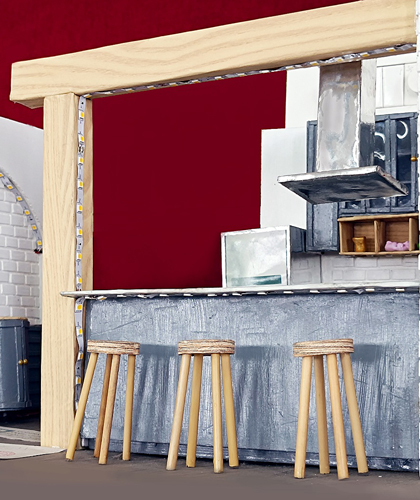
The Bachelor of Product Design at the School of Design, DIT University is built around the principles of human-centred design, encouraging students to create products that improve everyday experiences while keeping sustainability and user well-being at the core.
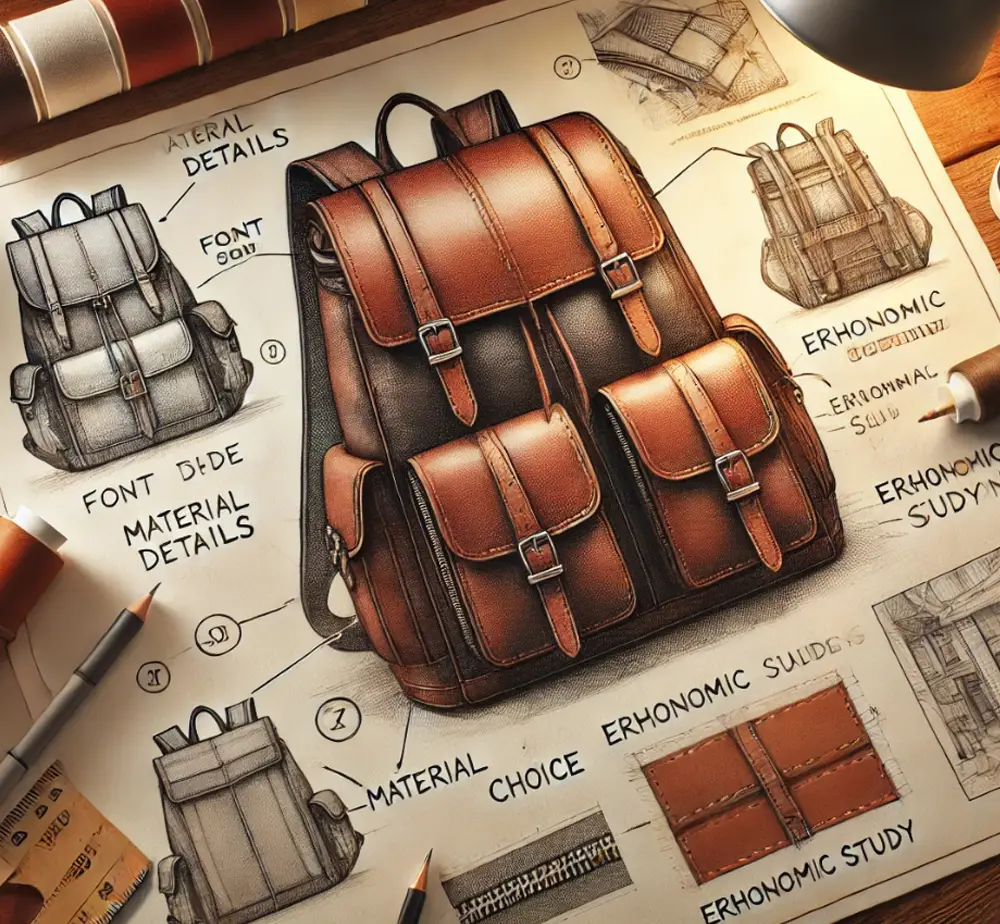
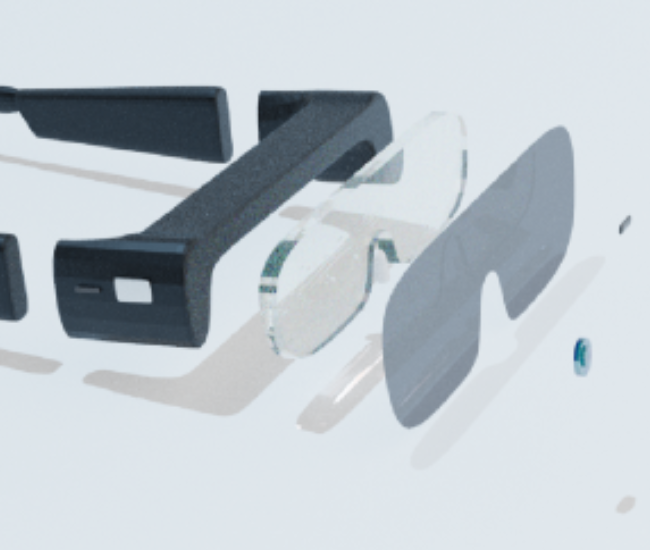
This Bachelor of Product Design programme brings together design, technology, and interdisciplinary learning. Students work alongside departments such as Mechanical Engineering, AI & Robotics, Computer Science, Materials Science, Physical Sciences, and Social Sciences, gaining practical exposure to areas including consumer electronics, medical devices, automotive design, and sustainable home products. The curriculum also introduces emerging technologies such as AI-driven prototyping, 3D printing, smart materials, and circular design practices.
Throughout the programme, students explore subjects including Material Science, Ergonomics, Circular Design, Frugal Innovation, and AI integration in product development. Core courses cover Design Thinking, Human-Centered Design, Product Photography, Futuristic Design, Design Psychology, AI & Robotics, Machine Learning, Entrepreneurship in Product Design, Digital Design, and more. Industrial training and mentorship further strengthen practical understanding while connecting classroom learning with real-world applications.
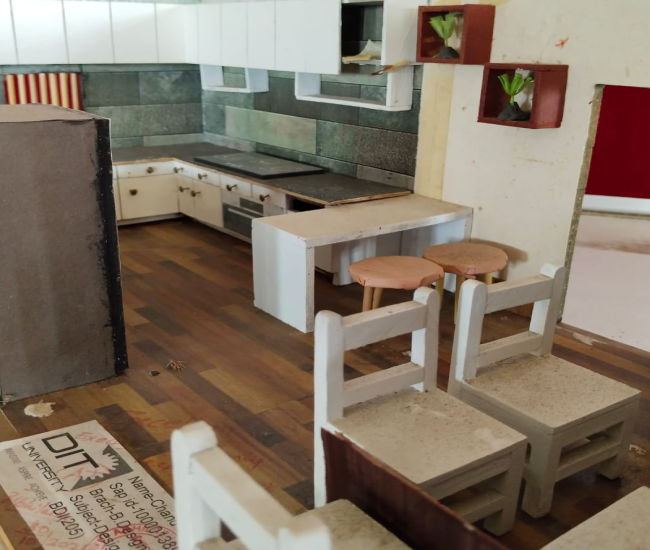
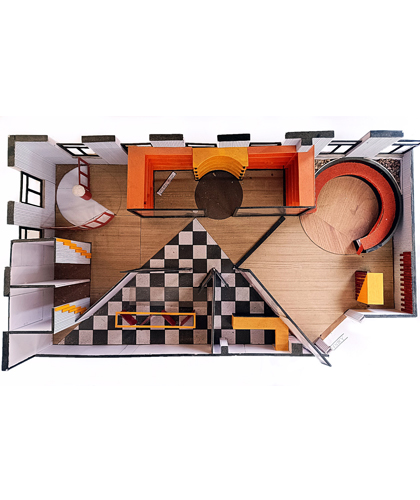
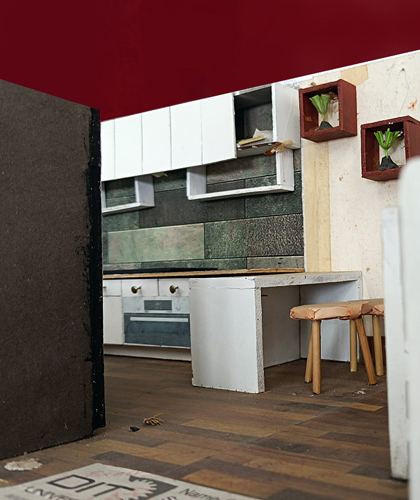
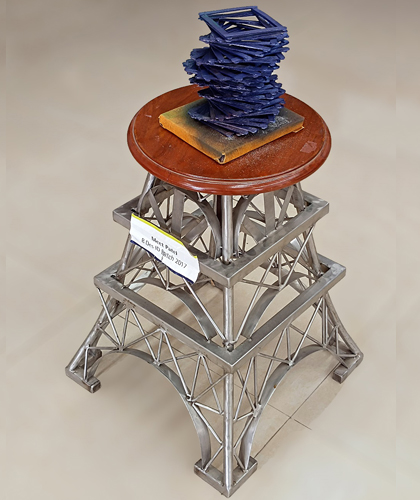
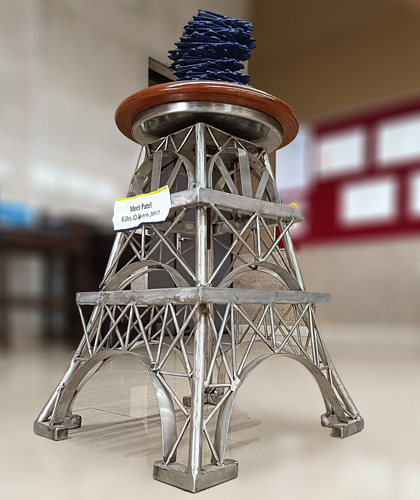
Backed by dedicated facilities such as metal workshops, materials laboratories, and CAD labs, the Bachelor of Design in Product Design encourages experimentation, advanced prototyping, and responsible manufacturing practices that align with evolving global consumer expectations.
Graduates of this Bachelor of Product Design programme are well prepared for careers as industrial designers, sustainable product innovators, and design entrepreneurs. This programme equips students to develop meaningful products that respond to changing market needs while embracing sustainable and technology-enabled design solutions.
1st Year (2026-27)
| Particulars | Tuition Fees | Academic Services Fee | Total Fee | |
|---|---|---|---|---|
|
All India Category |
1st Installment |
63,300 |
41,350 |
1,04,650 |
|
2nd Installment |
63,300 |
41,350 |
1,04,650 |
|
|
Uttarakhand/Himalyan State Quota (After 25% Scholarship on Tuition Fee) |
1st Installment |
47,475 |
41,350 |
88,825 |
|
2nd Installment |
47,475 |
41,350 |
88,825 |
For detailed Program Fee Structure, Know More

Flexible and Choice-Based Curriculum (FCCBS):
Personalise your academic journey with interdisciplinary electives that combine creativity, technology, and sustainability to match evolving industry requirements.
Industry-Focused Learning:
Build practical experience through collaborations with design studios, live projects, industry mentorships, and professional interactions.
Global Mentorship Network:
Learn from experts associated with organisations such as the World Design Organization (WDO), gaining valuable global perspectives on design and innovation.
Emerging Areas in the Curriculum:
Explore contemporary subjects including Circular Design, Frugal Innovation, AI in Product Design, and Futuristic Design that reflect the changing demands of the design industry.
Entrepreneurship in Design:
Develop the skills to transform ideas into market-ready products through dedicated learning in design entrepreneurship and innovation.
Advanced Design Infrastructure:
Access prototyping facilities, material exploration labs, and CAD laboratories that support product development, testing, and creative experimentation.
Minor Degree Opportunities:
Expand your expertise by pursuing a minor in interdisciplinary fields such as Artificial Intelligence, Robotics, Automobile Design, Sustainable Engineering, or Social Psychology.
Innovation and Ideation: Develop the ability to ideate, innovate, and conceptualize original design solutions that address evolving consumer and societal needs.
Holistic Design Approach: Integrate technical knowledge, design aesthetics, and practical functionality to create user-friendly and impactful products.
Sustainable Practice in Design: Demonstrate commitment to sustainability by designing eco-friendly products using recyclable materials and energy-efficient manufacturing techniques.
Digital Fluency: Master contemporary digital tools and platforms, including 3D modeling, rendering, and prototyping technologies, to produce industry-standard designs.
Contextual Awareness: Apply cultural, economic, and environmental awareness to design solutions that are relevant and inclusive for diverse global audiences.
Project Management Skills: Lead and collaborate on multidisciplinary design projects, effectively managing resources, timelines, and stakeholder expectations.
Market Readiness: Align product designs with current market demands, focusing on functionality, aesthetics, and user preferences for competitive industry placement.
Ethical Responsibility: Uphold ethical design practices by prioritizing user safety, sustainability, and societal well-being in all projects.
Critical Thinking and Analysis: Critically evaluate design problems, assess feasibility, and develop innovative solutions based on thorough research and analysis.
Adaptability and Lifelong Learning: Demonstrate readiness to learn and adapt to new technologies, methodologies, and trends in the dynamic field of product design.

Associate Professor

Assistant Professor

Assistant Professor
Assistant Professor (ImaginXP)

Assistant Professor (ImaginXP)

Visiting Faculty
Visiting Faculty

Assistant Professor

Assistant Professor

Assistant Professor

Assistant Professor
Assistant Professor

Assistant Professor

Assistant Professor

Assistant Professor (ImaginXP)

Assistant Professor

Assistant Professor

Assistant Professor

Assistant Professor
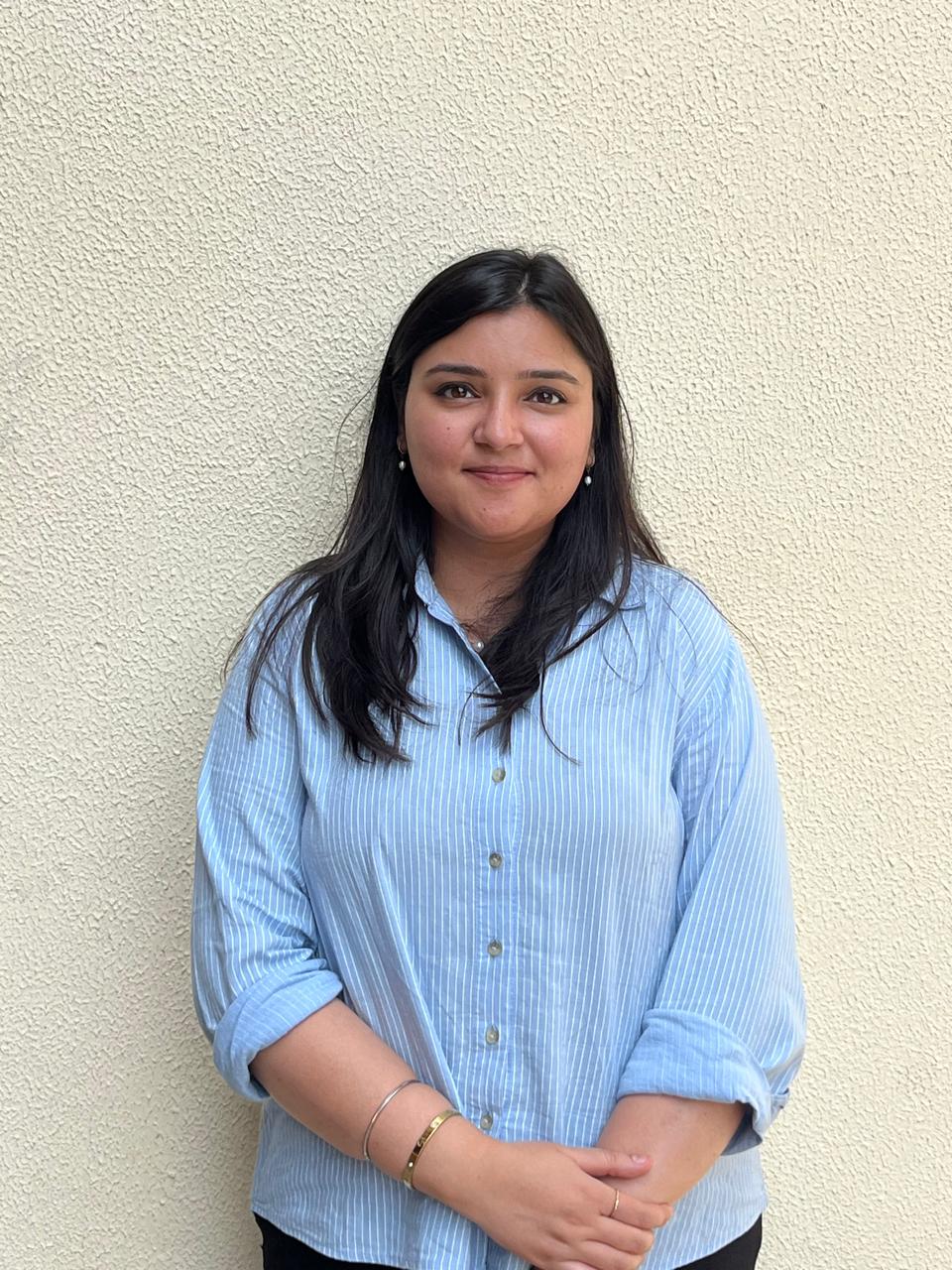
Assistant Professor

Assistant Professor

Assistant Professor
Assistant Professor

Assistant Professor

Assistant Professor